Bonefish Fishing in Miami, Florida with Captain Byron Fang
Bonefish Fishing in Miami - What to Expect

Fishing Charter by Captain Byron Fang in December
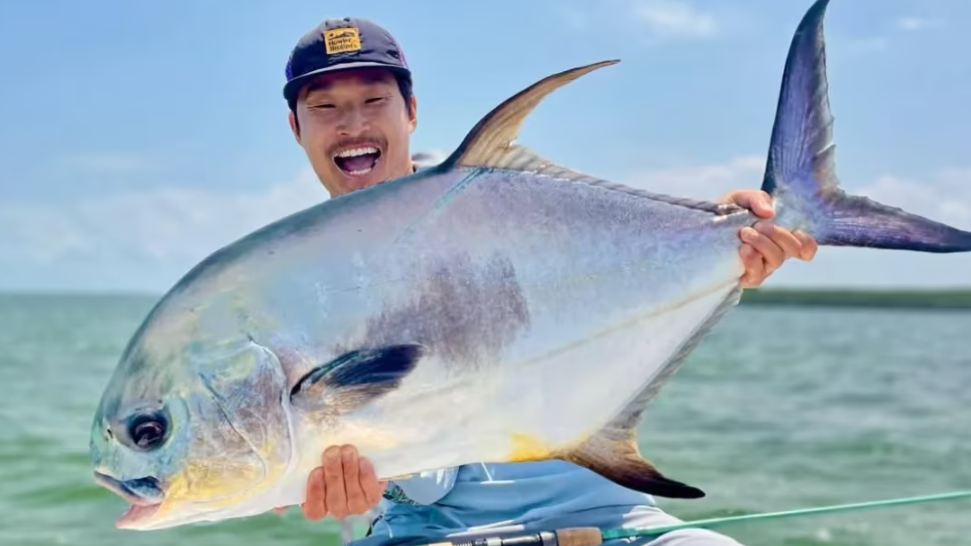
- Sight fishing Miami – bass, tarpon & more!


Summary
Join a fishing charter in Miami on Monday, May 19th for an immersive bonefish experience with Captain Byron Fang. This guided fishing trip combines technical precision with the raw excitement of pursuing one of saltwater's most elusive species in Miami's flats. Whether you're a seasoned angler or pursuing your first bonefish, this charter delivers the challenge and reward that keeps anglers coming back to these pristine waters.
Bonefish Fishing with Captain Byron Fang - Rates & Booking
Captain Byron Fang of BF Guide Service welcomes anglers to Miami's world-class bonefish grounds on Monday, May 19th. This fishing charter targets the most challenging and rewarding species in shallow water, offering a full day of pursuit across pristine flats where bonefish roam in search of food. The experience combines sight-fishing technique with strategic positioning, giving anglers the opportunity to test their skills against fish that demand precision and patience.
To book your charter or inquire about rates and trip details, contact BF Guide Service directly. Captain Fang's deep knowledge of Miami's bonefish habitat ensures you'll be fishing the most productive waters at optimal times, maximizing your chances of connecting with these silver-sided speedsters. Reserve today to secure your date on the water.
Highlights of Your Miami Bonefish Charter
The thrill of pursuing bonefish lies in the visual hunt across shallow flats, where crystal waters reveal tailing fish and cruising pods. As your angler, you'll experience the rush of sight-casting to visible targets, a style of fishing that demands focus and quick reflexes. Every bonefish earned on this charter represents a genuine achievement - these fish are notoriously wary and powerful, making each hookup memorable.
Miami's bonefish habitat showcases mangrove-lined flats, sandy bottoms, and tidal channels that create perfect feeding zones. The shallow-water environment allows for direct visual contact with fish, transforming your fishing from guesswork into strategic pursuit. Captain Fang's local expertise guides you to the prime locations where bonefish congregate, especially during optimal tidal windows.
Local Species Insights: Bonefish
Bonefish are among the most sought-after shallow-water species in saltwater fishing, and Miami's flats are home to some of the healthiest populations in North America. These fish are built for speed, with streamlined bodies and powerful tails that allow them to accelerate rapidly when threatened. In the shallow waters where you'll fish, bonefish feed on small crustaceans and baitfish, often creating visible signs like tail wakes and nervous water as they nose through sand and mud.
What makes bonefish so challenging is their acute sensibility to danger. They possess excellent eyesight and lateral line perception, making stealthy approach and accurate casting essential. When hooked, a bonefish's first instinct is explosive flight - you'll experience the unforgettable run as the fish heads for deeper water, stripping line with relentless power. Their habitat preferences guide the charter strategy: shallow flats with sandy substrate near mangrove shorelines offer the best conditions for locating feeding fish during tidal movements.
Bonefish behavior varies with tide and time of day. Early morning often produces the most active feeding, as fish move onto shallow flats to hunt. Mid-tide transitions bring congregations of fish moving between feeding and holding areas. Understanding these patterns, Captain Fang positions the boat to intercept fish during their most vulnerable moments, setting you up for successful encounters. The combination of technical skill and environmental knowledge transforms your charter into a learning experience that deepens your appreciation for this remarkable species.
The waters around Miami support a year-round bonefish population, with seasonal variations in location and behavior. Spring months often bring excellent flats fishing as water temperatures rise and fish activity increases. The clear visibility of Miami's flats makes this the ideal environment for sight-fishing, allowing you to see your target before casting, adding an element of visual excitement that rod-and-reel fishing in deeper waters cannot match.
Fishing in Miami: Bonefish
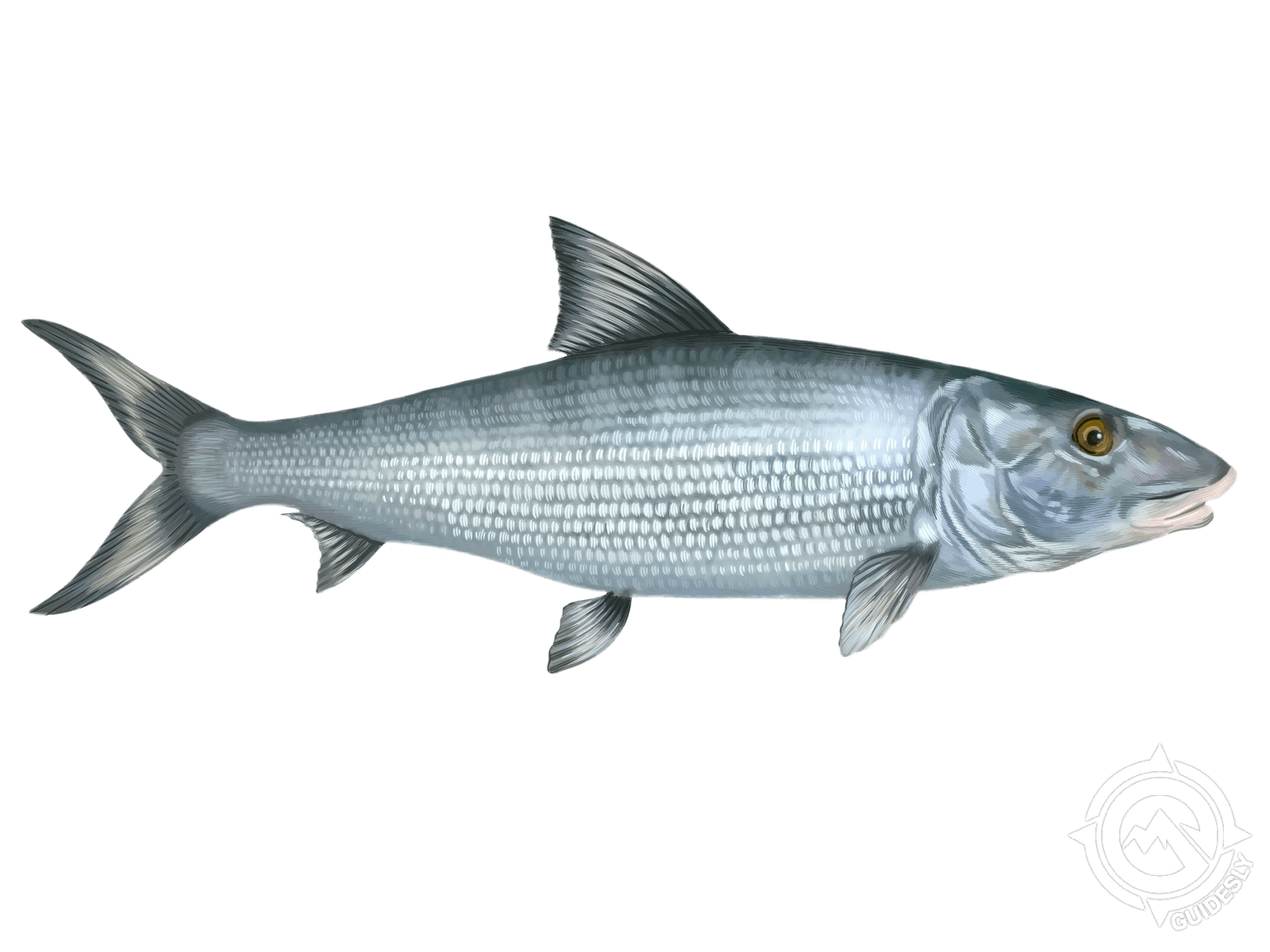
Bonefish Overview
Bonefish (Albula Vulpes), belonging to the family Albulidae and order Albuliformes, are one of the most prized and challenging saltwater game fish in the world. Often called the Silver Ghost or White Fox, these sleek predators feature an elongated, torpedo-shaped body covered in brilliant silvery scales that reflect the ocean floor like a mirror. Their distinctive blue-greenish backs with dark streaks provide exceptional camouflage on muddy flats, making them notoriously difficult to spot and catch. What truly sets bonefish apart is their legendary speed—reaching 30 mph and capable of taking 100 yards of line in a blistering run—and their unique behavior of tailing in shallow water while hunting for food. For anglers visiting tropical destinations like the Bahamas or Florida Keys, bonefishing represents the ultimate test of skill, patience, and precision.
Bonefish Habitat and Distribution
Bonefish inhabit a wide geographic range spanning the Atlantic Ocean, Gulf of Mexico, Pacific Ocean, and Caribbean Sea. Their distribution extends from the Florida Keys and Biscayne Bay through the Bahamas, Caribbean islands, Cuba, and along Florida's coasts. These fish display fascinating tidal behavior, migrating from deeper waters—down to about 300 feet—into shallow mudflats as the tide rises to hunt for food. In the flats, you'll find them in water as shallow as 4 inches deep, making sight-fishing possible for patient anglers. The best bonefishing locations offer pristine shallow-water ecosystems with sandy and muddy bottoms, seagrass beds, and mangrove-lined backcountry waters that provide ideal feeding grounds.
Bonefish Size and Weight
Adult bonefish typically measure between 16 and 41 inches in length, with most averaging 6 to 8 pounds. Exceptional specimens can reach 16 pounds or more, with females generally growing larger than males throughout their lifespan of up to 20 years. The size variation depends significantly on habitat quality, food availability, and the specific geographic region. Florida and Bahamian populations tend to produce larger, more robust fish, while younger bonefish or those from food-limited areas run smaller. For anglers, hooking a 12-plus-pound bonefish remains a serious accomplishment worthy of celebration.
Bonefish Diet and Behavior
Bonefish are dedicated carnivores with specialized feeding adaptations perfectly suited to life on the flats. They hunt primarily in shallow mudflats, targeting crabs, shrimp, small fish, and various invertebrates including worms and snails. Their inferior mouth and distinctive conical snout—extending a third of their body length beyond the mandible—allow them to dig through the seabed to root up hidden prey. Even more fascinating, bonefish possess granular teeth forming specialized dental plates on their upper jaw, tongue, and throat, enabling them to grind through tough mollusks and crustaceans. When feeding, they often break away independently or in small groups to search for food, though they sometimes school together while cruising deeper water. One of their most iconic behaviors is tailing—when their tails slap the water's surface as they search the bottom, providing a visual signal that attracts sight-casting anglers. These fish are remarkably intelligent and possess keen senses, including excellent vision and lateral line sensitivity, making them extraordinarily difficult to approach without spooking.
Bonefish Spawning and Seasonal Activity
Bonefish exhibit predictable daily migration patterns rather than traditional spawning runs. They make short daily migrations following the tide from coastal deeper waters to shallow mudflats to hunt for food, then retreat to deeper water during low tide or when conditions become unfavorable. This tidal rhythm is crucial for successful bonefishing—the best fishing typically occurs around low tide when bonefish concentrate their feeding activity on the flats. Bonefishing remains productive year-round in tropical locations like the Bahamas and Florida Keys, though seasonal weather patterns and water temperature fluctuations can influence fish behavior and availability. Spring and fall often provide excellent conditions with comfortable weather and active fish populations, while winter brings cooler water that can slow feeding activity, and summer heat can push fish into deeper refuges during midday hours.
Bonefish Techniques for Observation and Capture
Sight-Casting and Stalking: The most effective bonefishing method involves wading or poling a shallow-draft skiff through flats while actively looking for tailing fish or cruising schools. Once spotted, anglers must make precise casts ahead of the fish's path to intercept without spooking them. Success demands stealthy movement, accurate casting at distances of 30 to 60 feet, and the ability to work flies or lures with delicate presentations. Around the Florida Keys, many guides recommend approaching schools from their flanks rather than head-on, placing casts on the outer edges of groups before working toward the center. The key is patience—sometimes waiting motionless for cruising fish to come to you proves more productive than aggressive stalking.
Fly Fishing and Light Tackle: Bonefishing with flies requires 8 to 10-weight fly rods spooled with appropriate saltwater reels and leaders designed for quick turnover and durability. Top fly patterns include the Gotcha (shrimp pattern), Crazy Charlie, Peterson's Spawning Shrimp, Bonefish Slider Fly, and various crab imitations. Light tackle enthusiasts use small jigs ranging from 1/16 to 1/4 ounce, live shrimp, small crabs, and soft-plastic imitations cast ahead of visible fish. The presentation style matters enormously—casts must land beyond the fish's direct line of sight, then be worked slowly and deliberately across the bottom to simulate natural prey movement. In areas like Biscayne Bay, experienced anglers often fish the edges where shallow water meets deeper channels, positioning themselves to intercept fish during their tidal movements.
Tailing Techniques: When bonefish are tailing—their tails breaking the water's surface while feeding—sight-fishing requires extreme precision. Identify specific fish rather than casting into the entire group, start with casts on the school's edges, and work gradually inward. The cast must be delicate and perfectly placed; if you question your distance, add extra feet to avoid spooking the fish. Work patterns from outer edges inward and side to side, always targeting individual fish rather than hoping for random contact. Timing is critical—early morning, late afternoon, and low tide periods around shallow flats typically offer the most tailing activity and best lighting conditions for spotting these elusive fish.
Bonefish Culinary and Utilization Notes
While bonefish can technically be eaten, they're rarely kept for food—particularly in Florida where they hold tremendous sporting value. The flesh is known for its strong flavor and meaty texture with slightly sweet and subtly nutty notes, but bonefish are extremely bony, making fileting challenging and eating cumbersome. More significantly, bonefish can carry the ciguatera toxin commonly found in reef fish, potentially causing food poisoning with symptoms including vomiting and diarrhea. Additionally, in most bonefishing destinations, these fish are celebrated as catch-and-release trophies due to their rarity and the immense skill required to land them. Conservation-minded anglers view bonefishing as a pursuit where the experience and challenge matter far more than consumption, making these fish infinitely more valuable alive and swimming in their shallow-water habitat.
Bonefish Frequently Asked Questions
Q: What is the best bait or lure for bonefishing?
A: Live shrimp and small crabs represent top live-bait choices, while fly patterns like the Gotcha, Crazy Charlie, and crab imitations work exceptionally well. Artificial jigs weighing 1/16 to 1/4 ounce and soft-plastic shrimp or crab imitations also produce consistent results. The best choice depends on water conditions, tide stage, and fish mood on any given day.
Q: Where can I find bonefish near the Bahamas and Florida Keys?
A: Bonefish thrive throughout shallow mudflats, seagrass beds, and mangrove-lined backcountry waters in the Bahamas and Florida Keys. Popular hotspots include Andros Island, the Exuma Cays, Abaco, Biscayne Bay, and the shallow flats surrounding the Florida Keys. Hiring a local guide familiar with specific flats and tidal patterns dramatically increases your chances of success.
Q: What makes bonefishing so challenging compared to other saltwater fishing?
A: Bonefish possess exceptional eyesight, incredible speed (30 mph), and heightened sensitivity to disturbance. Their natural camouflage makes them difficult to spot, and they spook instantly from careless casting or loud movements. Success demands stealthy stalking, precise long-distance casting, and the patience to search for hours without guaranteed contact—a perfect storm of difficulty that makes every hookup a legitimate achievement.
Q: When is the best time to target bonefish?
A: Low tide periods typically offer the most productive bonefishing, as fish concentrate their feeding in shallow water. Early morning and late afternoon provide ideal lighting for spotting fish and avoiding the heat. Spring and fall offer comfortable weather and active populations, though bonefishing remains productive year-round in tropical destinations, with summer requiring early-morning sessions and winter potentially producing slower action due to cooler water temperatures.
Q: Is bonefish good to eat, and should I keep one?
A: While technically edible, bonefish are seldom eaten due to numerous small bones and the risk of ciguatera toxin. More importantly, these remarkable fish hold far greater value as living trophies within the catch-and-release sportfishing tradition. Conservation ethics and the singular challenge of landing a bonefish make releasing your catch the right choice for both the fishery and future anglers.
Q: What's the significance of bonefish tailing?
A: Tailing occurs when bonefish feed in extremely shallow water (sometimes mere inches deep), using their tails for leverage while digging the bottom for prey. Their tails breaking the water's surface create a visual target for sight-casting anglers, representing one of the most thrilling and iconic moments in bonefishing—the opportunity for a blind stalk transformed into a visible, targeted presentation where success hinges entirely on casting accuracy and presentation finesse.