33-Inch Snakehead Caught in Miami with Captain Byron Fang
Great Snakehead Fishing in Miami - What to Expect

Fishing Charter by Captain Byron Fang in December
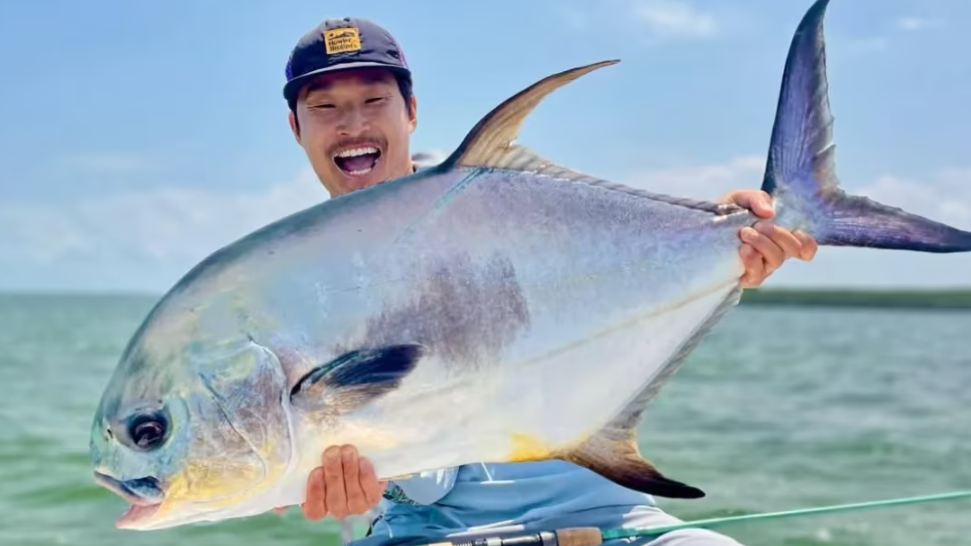
- Sight fishing Miami – bass, tarpon & more!


Summary
Land trophy-sized great snakeheads on an adrenaline-packed fishing charter in Miami with Captain Byron Fang of BF Guide Service. This Monday, May 19th adventure showcases the explosive action and fierce strikes that make snakehead fishing unforgettable in South Florida waters.
Fishing Charter with Captain Byron Fang - Rates & Booking
Captain Byron Fang of BF Guide Service brought explosive action to Miami waters on Monday, May 19th. This fishing charter specialized in targeting great snakeheads - aggressive predators known for jaw-dropping strikes and powerful runs that test anglers to their limits. The 33-inch specimen captured here represents the kind of trophy-class fish that keeps anglers coming back to South Florida's prime snakehead grounds.
When you book with Captain Fang, you're tapping into years of local expertise and proven success on Miami's most productive snakehead waters. The charter experience includes everything needed to hunt these hard-fighting fish in their natural habitat. Contact BF Guide Service to reserve your spot and secure your next unforgettable snakehead adventure.
Highlights of Snakehead Fishing with Captain Byron Fang
Snakehead fishing in Miami delivers non-stop action from sunrise to sunset. These invasive species have established themselves throughout South Florida's canal systems and freshwater lakes, creating incredible opportunities for anglers seeking aggressive, trophy-sized catches. Captain Fang targets prime snakehead territory where the water clarity and structure create the perfect conditions for explosive topwater strikes.
The thrill factor here is undeniable - snakeheads are ambush predators that attack with ferocious intensity. Every cast becomes an adrenaline rush as you wait for that violent strike. The 33-inch fish in this photo exemplifies the caliber of snakehead you can realistically land when working with an experienced guide who knows exactly where and how to hunt these apex predators.
Local Species Insights: Great Snakehead
Great snakeheads have transformed Miami's fishing landscape since their introduction to South Florida waters. These powerful predators thrive in the region's canal systems, retention ponds, and freshwater lakes, growing to impressive sizes in the warm, resource-rich environment. What makes snakehead fishing so electrifying is their feeding behavior - they're ambush hunters that strike hard and fight harder.
Unlike many freshwater species, snakeheads possess a labyrinth organ allowing them to breathe air, which means they can survive in shallow, stagnant water where other fish can't. This adaptation has allowed populations to flourish throughout Miami's waterways. Anglers targeting snakeheads focus on structure - fallen trees, dense vegetation, canal banks, and shallow flats where these fish stake out territory.
The fishing experience revolves around accuracy and aggression. Topwater lures, swimbaits, and targeted presentations trigger violent reactions. When a snakehead commits to a strike, you'll feel immediate, unmistakable power. The 33-inch catch represents solid trophy material, and larger specimens exceeding 36+ inches are consistently taken in these productive Miami waters. Captain Fang's knowledge of prime snakehead habitat and feeding patterns is what puts anglers on consistent action throughout the day.
Fishing in Miami: Great Snakehead
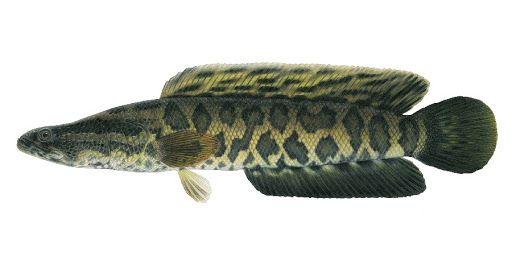
Great Snakehead Overview
The Great Snakehead (Channa marulius) is a fascinating air-breathing predator belonging to the order Perciformes and family Channidae, a group of freshwater fish known for their aggressive hunting prowess. This species is a true apex predator in freshwater ecosystems, with a distinctive flattened, elongated body covered in scales that resemble those of a serpent—hence the name. What makes the Great Snakehead particularly captivating is its ability to breathe air using specialized suprabranchial chambers, allowing it to survive out of water for days as long as its skin remains moist. With dark red eyes, rose-like scale patterns adorning its head, and a striking orange-and-black eye-spot near its tail base that resembles a bullseye, this fish has earned the nickname "Super Bass" among anglers seeking an adrenaline-pumping challenge. Whether you're exploring the canal systems of southern Florida or hearing tales of trophy catches in Thai reservoirs, the Great Snakehead represents one of the most thrilling freshwater angling experiences available.
Great Snakehead Habitat and Distribution
Great Snakeheads thrive in freshwater environments with stagnant or slow-moving currents, making their home in lakes, reservoirs, canals, swamps, and deep pools within river systems. They prefer sandy or rocky bottoms where submerged vegetation and overhanging foliage provide ideal ambush points for hunting. Naturally native to South and Southeast Asia, the species boasts an extensive native range spanning India, Pakistan, Malaysia, Laos, Cambodia, Sri Lanka, Bangladesh, Myanmar, China, and Nepal. In India, it's so commercially valuable that it's cultured in ponds, rice fields, and irrigation wells. The fish has gained particular prominence as a game species in Thailand, where renowned fishing destinations include Bang Na Lake, The Queen Sirikit Dam, and Mae Ngat Reservoir. In North America, this species is found exclusively in southern Florida, where it inhabits river and canal systems as an introduced species, creating unexpected angling opportunities for those seeking exotic freshwater adventures. The Great Snakehead's ability to adapt to various freshwater habitats has made it a resilient and widespread species worthy of exploration.
Great Snakehead Size and Weight
Great Snakeheads display impressive size variability depending on their geographic origin and habitat conditions. On average, specimens measure around 18 inches in length and weigh approximately 4 pounds—already a respectable size for most anglers. However, in their native Indian range, these fish grow considerably larger, with common catches reaching 47 inches. The species can achieve extraordinary proportions, with documented maximum lengths of 72 inches, making it the largest and fastest-growing member of the Channidae family. The IGFA All-Tackle world record stands at an impressive 15 pounds 2 ounces, caught in Florida, USA, demonstrating that introduced populations can achieve trophy proportions. Understanding these size ranges helps anglers properly equip themselves and set realistic expectations whether they're fishing in subtropical Florida or planning an expedition to Southeast Asian waters where truly massive specimens await.
Great Snakehead Diet and Behavior
The Great Snakehead is an opportunistic apex predator with one of the most diverse diets among freshwater fish species. This voracious hunter feeds on fish, crustaceans, gastropods, larval insects, non-biting midges, frogs, snakes, tadpoles, earthworms, small water birds, turtles, and even rodents—essentially anything that moves and fits in its large, tooth-filled mouth. The species is a bottom-dwelling ambush predator, hovering motionless in midwater and near vegetation before striking with explosive speed. When not actively hunting, it surfaces periodically to breathe air, making nighttime a particularly productive fishing window as Great Snakeheads move closer to shorelines under cover of darkness. Their hunting behavior mirrors that of largemouth bass, making them appealing to anglers familiar with bass fishing techniques. The fish's aggressive predatory nature means it will readily attack lures and live bait, responding particularly well to presentations that mimic its natural prey items. Understanding these behavioral patterns—the balance between patient ambush hunting and explosive strikes—is key to successfully engaging with this remarkable species.
Great Snakehead Spawning and Seasonal Activity
Great Snakeheads exhibit two distinct spawning periods throughout the year, reflecting their adaptation to tropical and subtropical climates: March through May and again from August through November. During these reproductive cycles, they construct floating nests where females deposit eggs that hatch within an impressive 48 hours. The young remain in the nest for approximately ten days before becoming free-swimming, though both parents actively guard their brood for a full month afterward—a testament to the species' parental investment in offspring survival. From an angling perspective, the peak fishing season for Great Snakeheads occurs during warmer months, particularly mid-March through April, when these fish are most aggressive and respond enthusiastically to lures. The cooler months prove more productive for live bait presentations. Understanding these seasonal rhythms allows anglers to time their expeditions strategically, maximizing their chances of encountering active, hungry specimens while respecting the species' reproductive biology.
Great Snakehead Techniques for Observation or Capture
Lure Fishing Method: During warm peak seasons from mid-March through April, lure fishing proves most effective for Great Snakeheads. Equip yourself with a 7-foot medium-heavy bait-casting rod paired with a spinning or casting reel spooled with 15-40 pound braided line and a monofilament leader. Braided line excels due to superior strength, better lure presentation, and reduced chafing against the fish's sharp teeth. Target topwater lures including frogs, plugs, poppers, buzz-baits, chatterbaits, spinnerbaits, swimbaits, skirted jigs, musky bucktails, and paddletails—all proven attractors for this predatory species. Focus on swampy edges and submerged vegetation, though steep shoreline banks often provide stealth advantages by reducing the vegetation cover where fish hide.
Live Bait Method: During cooler months, live bait presentations significantly outperform lures, as Great Snakeheads will strike almost any moving prey item. Effective live bait options include mummichog, minnows, shad, frogs, crayfish, worms, and small fish species. Employing a slip float setup enhances presentation and allows precise depth control, though this depends on water depth conditions. Still-fishing from a boat or casting from shore in shallower waters enables quiet approach to the fish's ambush positions, increasing strike opportunities without alarming cautious specimens.
Night Fishing Technique: Colored line night fishing is practiced by experienced anglers targeting Great Snakeheads during twilight and nocturnal hours when specimens move closer to shorelines. Around southern Florida's canal systems and Lake Okeechobee regions, this approach proves particularly productive. Exercise caution and bring proper lighting and safety equipment when pursuing this technique, as navigating swampy areas in darkness requires skill and preparation.
Great Snakehead Culinary and Utilization Notes
In Asian culinary traditions, particularly throughout its native range in India and Southeast Asia, the Great Snakehead holds significant cultural and nutritional value. The flesh is considered firm and flavorful, making it a prized food fish in regional cuisines and local markets. Beyond culinary applications, traditional medicine practitioners in Asian provinces proclaim medicinal benefits associated with consuming Great Snakehead, though such claims should be approached with scientific skepticism. The species' commercial importance in regions like India—where it's cultured specifically for food production—underscores its nutritional significance and market desirability. For North American anglers in Florida, catch-and-release practices are generally recommended to protect introduced population dynamics, though local fishing regulations should always be consulted before keeping any specimens for consumption.
Great Snakehead Frequently Asked Questions
Q: What is the best bait or lure for catching Great Snakeheads?
A: Live bait such as minnows, frogs, crayfish, and shad work exceptionally well, particularly during cooler months. During warmer peak seasons (mid-March through April), topwater lures including frogs, poppers, buzz-baits, and swimbaits prove most effective. The key is matching presentations to seasonal conditions and the fish's current feeding patterns—aggressive lures in warm water, subtle live bait presentations in cooler conditions.
Q: Where can I find Great Snakeheads near Florida?
A: In the United States, Great Snakeheads are exclusively found in southern Florida, inhabiting river and canal systems throughout the region. Lake Okeechobee and associated canal networks represent your best opportunities for encountering this species. Local fishing guides familiar with these waters can provide valuable insights into current hotspots and seasonal movements, as populations may concentrate in different areas depending on water conditions and time of year.
Q: What equipment do I need for Great Snakehead angling?
A: A 7-foot medium-heavy bait-casting rod paired with a spinning or casting reel is essential. Spool with 15-40 pound braided line backed by monofilament leader to withstand the fish's sharp teeth and aggressive runs. Don't forget heavy-duty pliers for safe hook removal—the Great Snakehead's dental armament demands respect and proper safety precautions. This equipment setup balances sensitivity, strength, and durability.
Q: When is the best time to catch Great Snakeheads?
A: Peak fishing season occurs during warm months from mid-March through April when these fish are most aggressive and responsive to lures. Night fishing under colored lines is productive year-round as specimens move closer to shorelines in darkness. The species' two spawning periods (March-May and August-November) also coincide with active feeding behavior, making these intervals particularly promising for anglers targeting this species.
Q: How do I identify a Great Snakehead and avoid confusion with similar species?
A: Look for the distinctive orange-and-black eye-spot (ocellus) resembling a bullseye near the tail base. Mature Great Snakeheads display blackish-brown coloration with black blotches and reddish-orange markings, while juveniles show colorful dark patches along their sides. The rose-like scale pattern on the head, dark red eyes, and large mouth with prominent canine teeth are reliable identification features. However, distinguishing among the 34 documented snakehead species can prove challenging, so consulting with local experts or fishing guides is advisable.
Q: Is it safe to handle Great Snakeheads?
A: Great Snakeheads possess sharp canine teeth and aggressive dispositions, demanding careful handling practices. Always use heavy-duty pliers to safely remove hooks from their mouths, maintaining distance from their jaws during the unhooked process. Wear gloves when handling fresh specimens and exercise caution when wading or swimming in waters inhabited by these fish. Their ability to breathe air means they can survive extended periods outside water, remaining dangerous during post-capture handling.